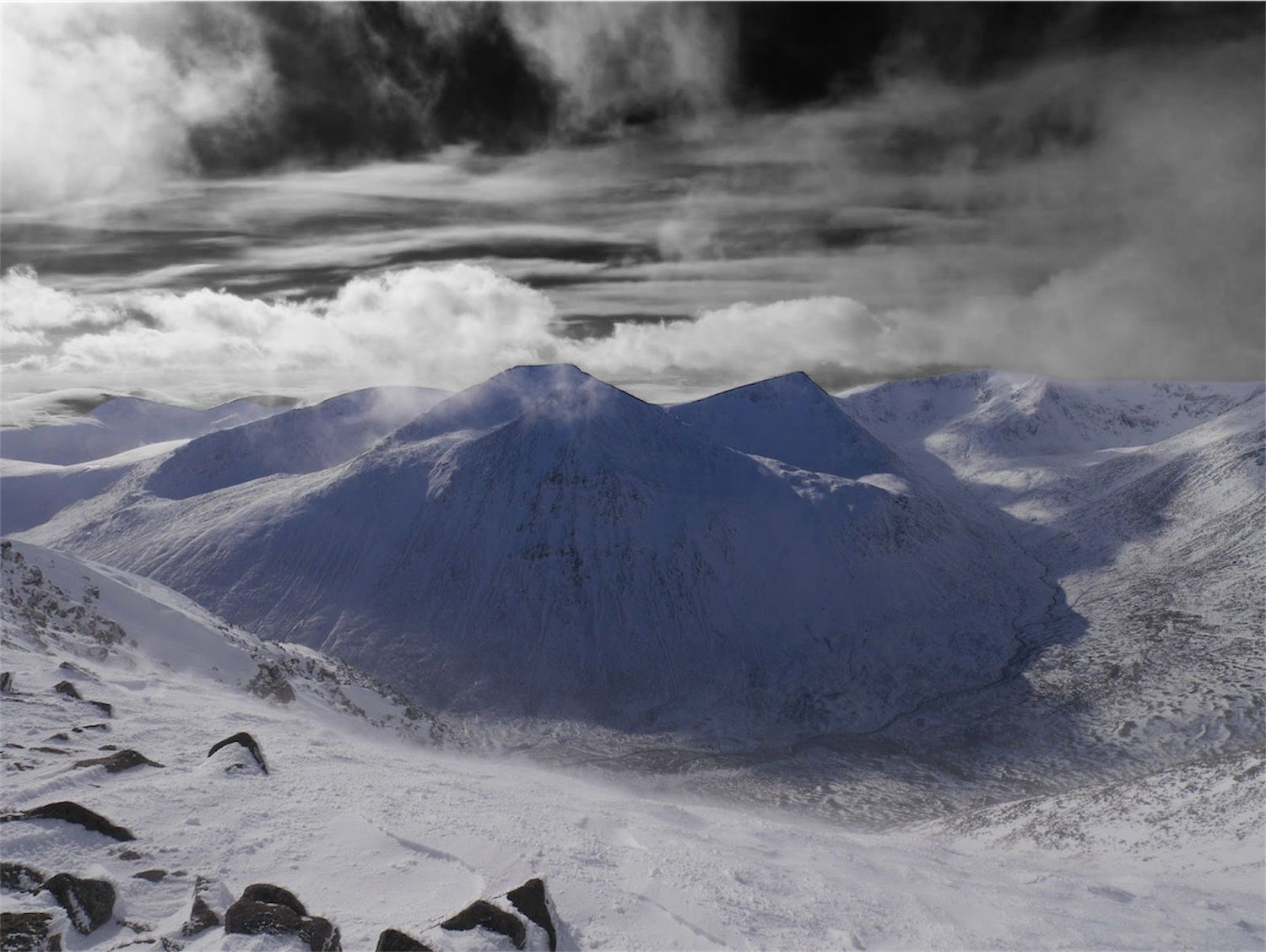
Preparing for High-Altitude Climbing: The Non-Negotiables and the Essentials
By Mark Lane, Founder, Ocio Montana
High-altitude climbing is one of the most demanding pursuits in the mountains. Above 3,000 metres, the environment becomes increasingly hostile: oxygen levels drop, weather systems turn volatile, and small errors compound quickly. Success at altitude is rarely about strength alone — it is about preparation, discipline, and respect for the environment. Whether you’re stepping into your first high-altitude expedition or refining your approach, there are non-negotiables that must be in place, and essentials that should never be overlooked.
The Non-Negotiables
1. Acclimatisation
Acclimatisation is not optional. Above 2,500–3,000 metres, your body requires time to adapt to reduced oxygen availability. Ignoring this process significantly increases the risk of Acute Mountain Sickness (AMS), High Altitude Pulmonary Edema (HAPE), and High Altitude Cerebral Edema (HACE). A conservative ascent profile, rest days, and the principle of “climb high, sleep low” are fundamental. No summit is worth gambling your health.
2. Fitness and Conditioning
High-altitude climbing demands aerobic efficiency, leg endurance, and mental resilience. Cardiovascular training should be combined with strength work focused on the lower body and core. Long days under load are common at altitude, and fatigue magnifies poor decision-making. If you are struggling at sea level, altitude will expose it quickly.
3. Weather and Route Knowledge
At altitude, weather changes are faster, colder, and more consequential. Understanding seasonal patterns, wind exposure, and objective hazards such as seracs and avalanche paths is essential. Blind reliance on forecasts or guidebooks is not enough — conditions evolve daily. Competent climbers plan conservatively and remain flexible.
The Essentials
Layering and Thermal Regulation
Cold management is critical. High altitude strips heat through wind, radiation, and inactivity during belays or rest stops. A functional layering system allows you to regulate temperature without sweating excessively. Moisture management is just as important as insulation — damp clothing at altitude becomes dangerous very quickly.
Hydration and Nutrition
Dehydration is a silent problem at altitude. Cold suppresses thirst, while increased respiration accelerates fluid loss. Regular drinking, even when you don’t feel thirsty, is essential. Calorie demand also increases significantly; carbohydrate-rich, easily digestible foods help sustain energy when appetite drops.
Footwear and Foot Care
Cold injuries frequently start at the feet. Appropriate boots for the altitude and temperature range are essential, as is managing moisture and pressure points. Once circulation is compromised, recovery is difficult — prevention is everything.
Mental Preparedness
High-altitude climbing is mentally taxing. Fatigue, cold, and hypoxia affect judgement and morale. Clear decision-making, honest self-assessment, and the willingness to turn back are traits of experienced mountaineers, not signs of weakness.
High-altitude climbing rewards patience, humility, and preparation. The mountains do not care about ambition or schedules, and shortcuts are rarely forgiven. Build strong foundations, respect the process, and treat preparation as seriously as the climb itself. In doing so, you give yourself the best chance of returning safely — which is always the true measure of success.
Explore without limits!
— Mark Lane
Founder, Ocio Montana