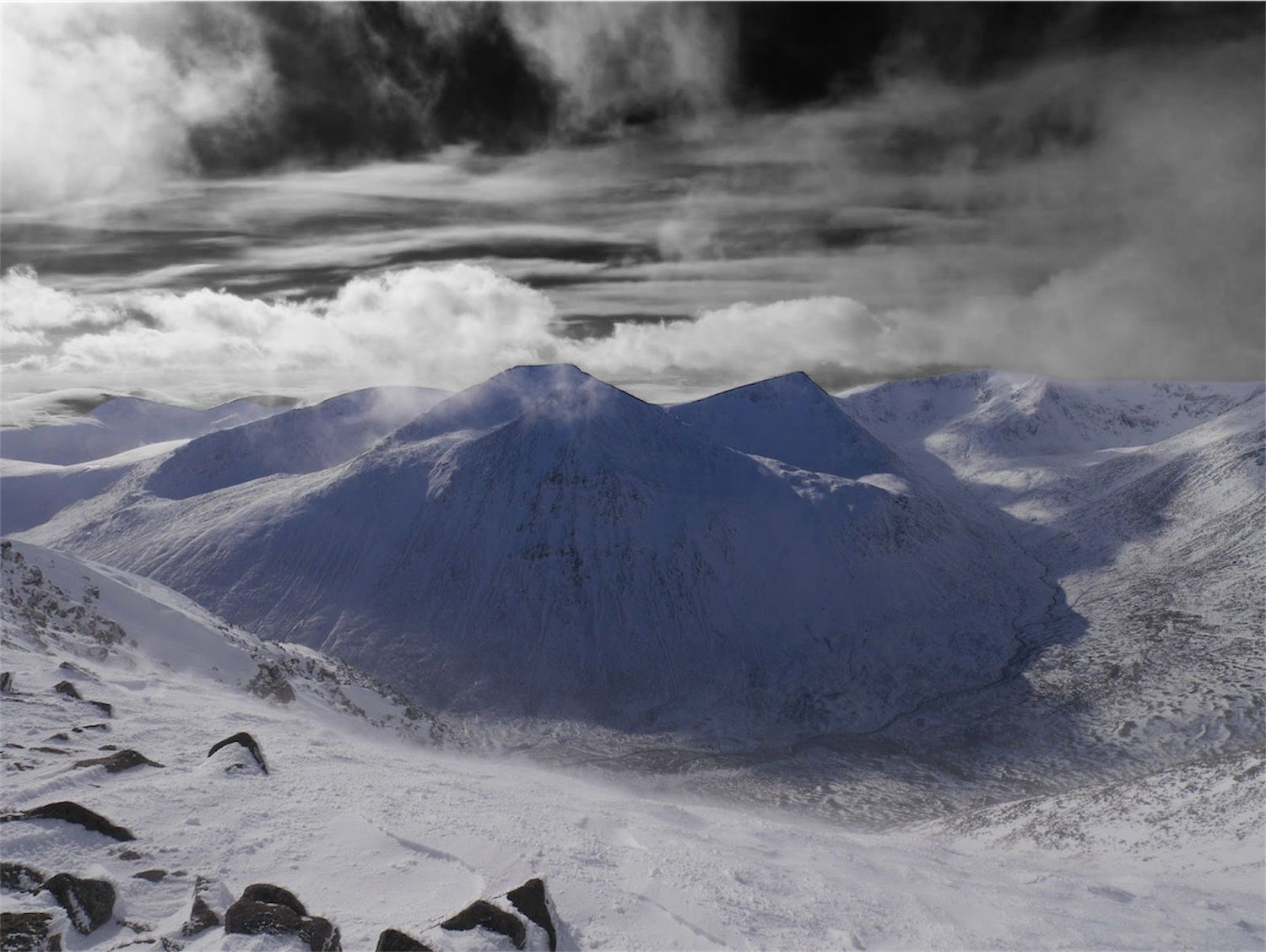
Wind Chill, Wind Pressure and Fast-Changing Weather in the Mountains
Published by Mark Lane, Founder of Ocio Montana
Mountain environments are shaped as much by weather as by terrain. Wind chill, wind pressure, and rapidly changing conditions are among the most significant—and often underestimated—hazards faced in upland and alpine areas. Understanding how these factors affect the human body and movement is essential for anyone spending time in the mountains.
Wind Chill and Heat Loss
Wind chill refers to the increased rate of heat loss from the body caused by moving air. In mountainous terrain, wind speeds are frequently higher due to exposure, altitude, and the funnelling effect of ridges and valleys.
Even moderate wind can make conditions feel dramatically colder. For example, an air temperature of 0°C combined with a 30 mph wind can produce a wind chill equivalent of approximately −10°C. This accelerates heat loss and significantly increases the risk of hypothermia and frostbite.
Wind removes the thin layer of warm air that normally surrounds the body, increasing convective heat loss. If clothing is damp from sweat, rain, or snow, this effect becomes more severe. As a result, cold stress can occur rapidly, even when temperatures appear manageable.
Wind Pressure and Physical Impact
Wind pressure is the physical force exerted by wind against the body. Sustained strong winds increase energy expenditure and contribute to faster fatigue, as the body must work harder to maintain balance and forward movement.
In exposed locations such as ridgelines, wind gusts can destabilise footing and disrupt coordination. This is particularly dangerous near steep ground, narrow paths, or icy surfaces, where a loss of balance may lead to serious consequences.
Strong winds also increase respiratory water loss and calorie demand, making dehydration and energy depletion more likely, even in cold conditions.
Fast-Changing Mountain Weather
One of the defining characteristics of mountain weather is how quickly it can change. Clear conditions can deteriorate rapidly due to altitude-related cloud formation, orographic lift, and fast-moving weather systems.
Visibility can drop suddenly as cloud descends onto the terrain, making navigation difficult even on familiar routes. Sudden temperature drops intensify cold exposure, while storms can introduce heavy precipitation, lightning risk, and extreme winds.
Weather forecasts provide valuable guidance, but mountain conditions often differ significantly from valley-level predictions. This makes continuous observation and conservative decision-making essential in upland environments.
Managing Weather-Related Risk
Effective management of mountain weather hazards relies on awareness rather than equipment alone:
-
Monitor wind speed and direction, not just temperature
-
Expect conditions to be harsher at altitude and on exposed ground
-
Allow extra time for progress in strong winds
-
Be prepared to alter plans if conditions deteriorate
Understanding when to continue and when to turn back is a key mountain skill.
Final Thoughts
Wind chill, wind pressure, and rapidly changing weather are central factors in mountain safety. They amplify cold stress, increase fatigue, and reduce margins for error. Recognising their effects allows for better judgement and safer decision-making.
Mountains demand respect, not because conditions are always extreme, but because they can become so quickly.
Explore Without Limits!